
When people met TraceMatter™ at Material Matters London 2026
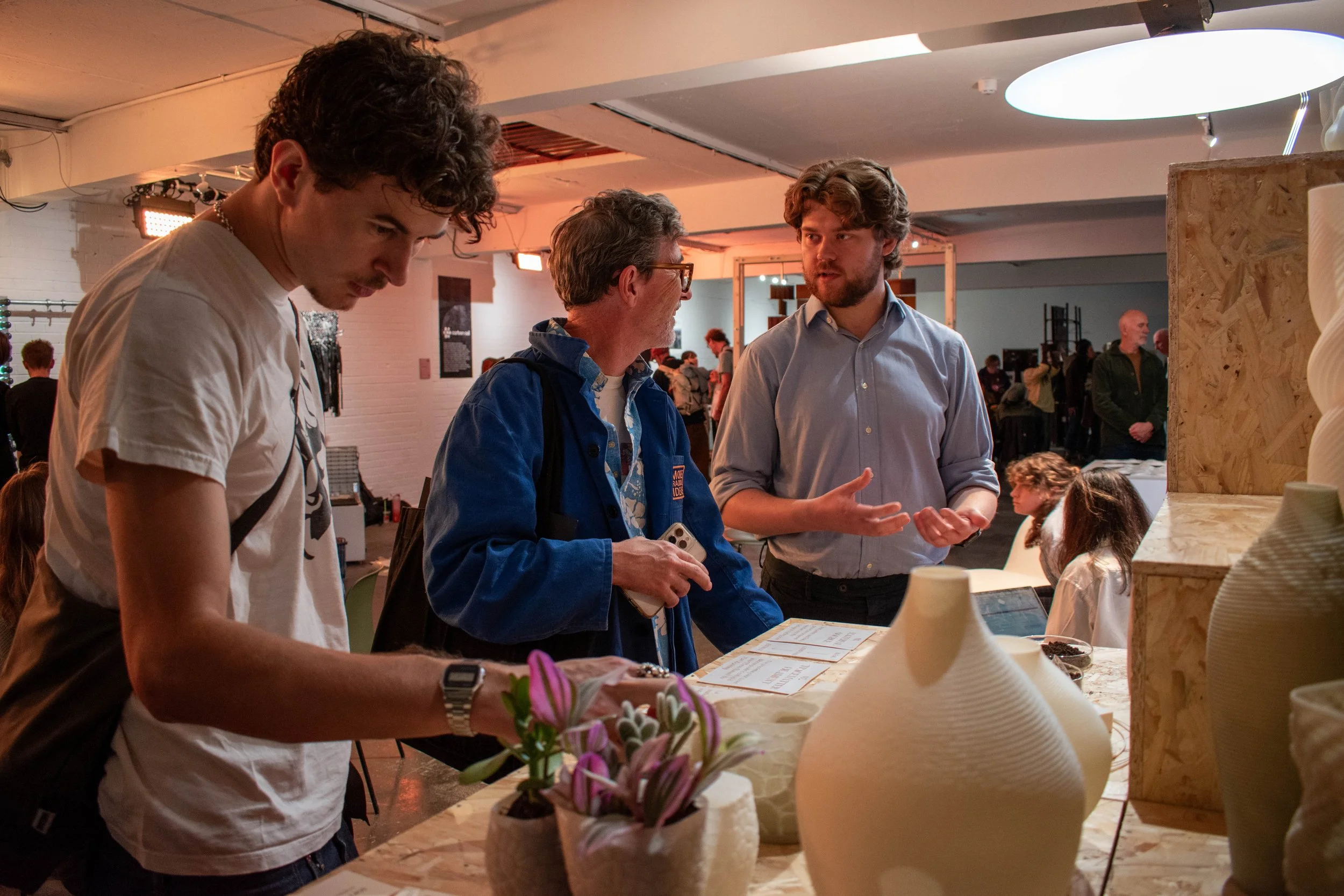
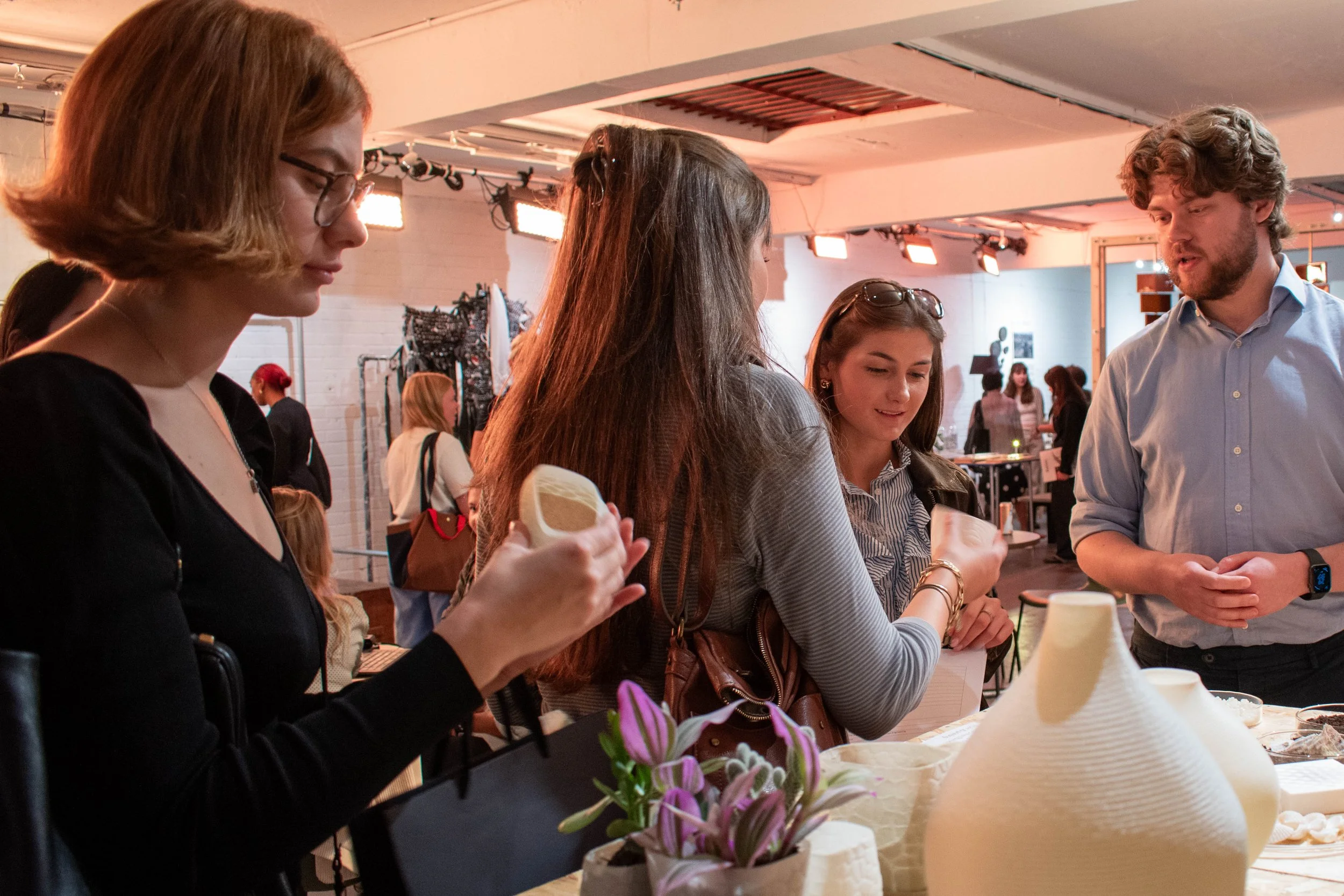
At Material Matters, we kept seeing the same small moment play out around a vase. Someone would look at it, pick it up, then pause. It was lighter than they expected, soft enough to flex gently in their hands, and it did not look like the 3D-printed plastic they had in mind.
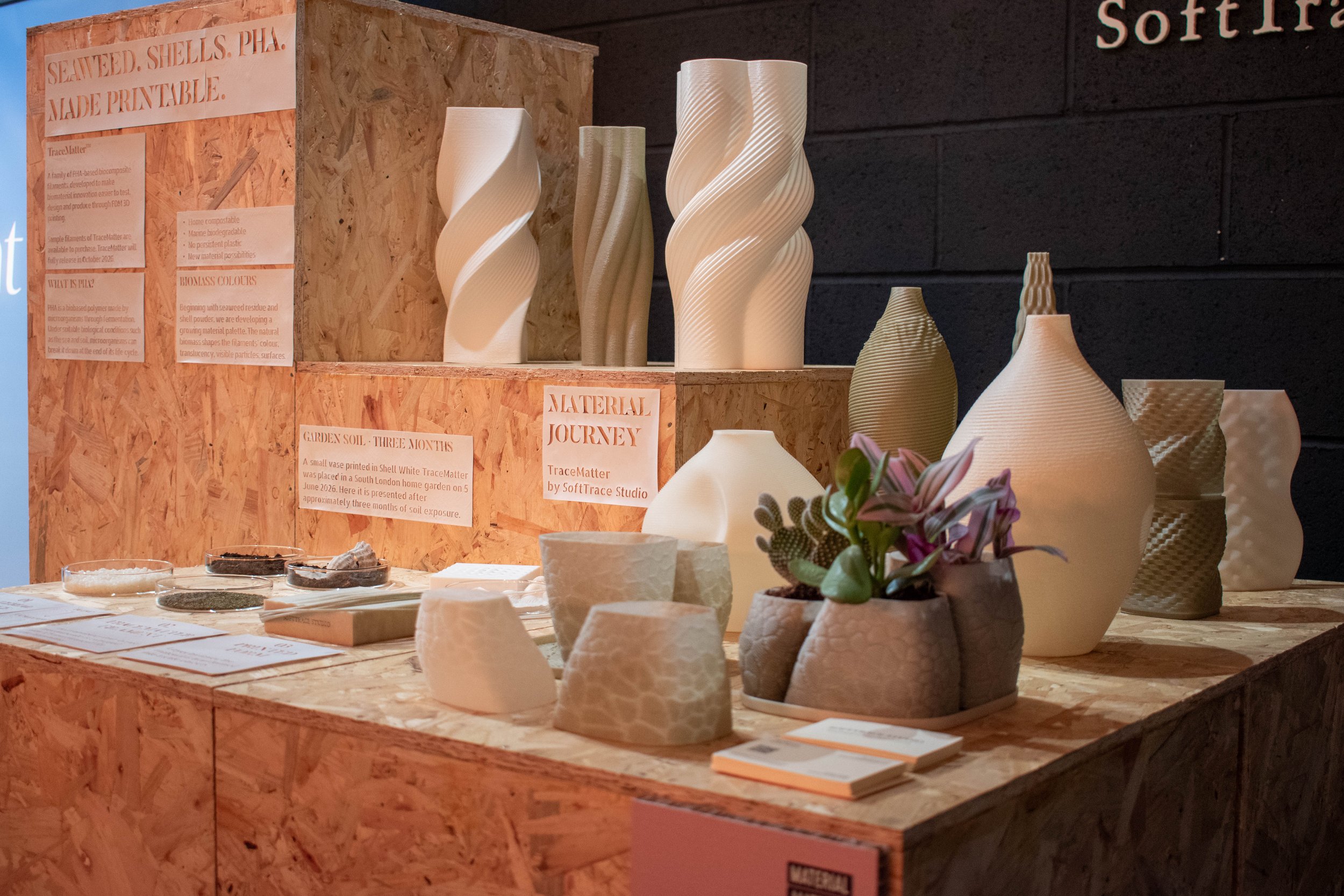
From 15 to 17 September 2026, SoftTrace Studio brought TraceMatter™, our PHA-based 3D printing filament, to Material Matters London at UNLOCKED Shoreditch. As a new studio, we were proud to put the filament and the objects it can make into the hands of designers, material specialists, educators and curious visitors. The material was easier to talk about once someone had held it.

How TraceMatter™ looks and feels in print
TraceMatter is a biocomposite based on polyhydroxyalkanoates (PHA), supplied as 1.75 mm filament for FDM 3D printing. The familiar format gives makers and designers a way to work with a biomaterial in their own practice.
People examined the fine printed texture of our seedling containers and the soft, matte surfaces of the vases. Some could hardly believe the objects had come from a 3D printer. Seaweed Green drew people closer. Visitors who had worked with seaweed in their own material experiments recognised the ingredient, then spotted the small particles of seaweed residue in the printed surface. We heard ideas for new colours, too, prompted by what people saw and felt in front of them.
Questions about PHA filament
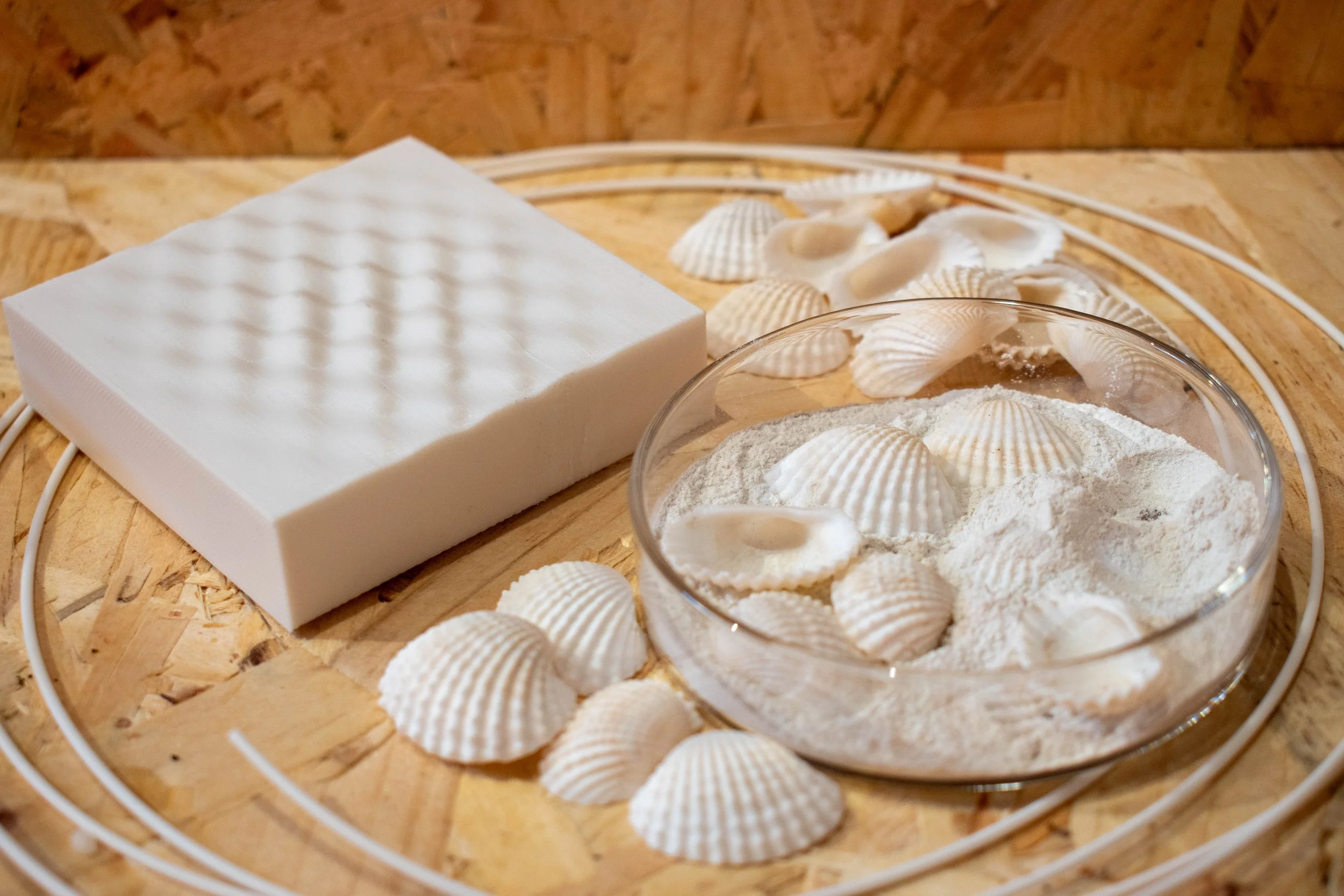
People wanted to know how seaweed residue or shell powder becomes printable filament, which printers they could use, and how PHA relates to an object's end of life. Depending on the colour, processed seaweed residue or shell powder is blended with the PHA-based material and formed into filament. PHA can be metabolised by microorganisms under suitable biological conditions; how long that takes for an object depends on its composition, form and environment. TraceMatter is a 1.75 mm filament for compatible FDM printers, and our TraceMatter™ printing guide offers a starting point for working with it.
We also spoke with designers imagining printed surfaces for lighting and asking where the material might belong outdoors. Those questions sharpened our thinking about an object's form, intended use and eventual destination from the start.

Vases, planters and printed textiles
Many visitors were eager to buy and take home the vases and plant pots. One of the designs that caught people’s eyes were the AeroTerra, designed by Lr. Design and printed in TraceMatter™.
Curiosity grew and questions arose around the fate of the planters after their work is done. They were pleased to learn about the material’s biodegradability - after fostering the seedling’s growth, the pots can be returned to the earth.
Its modular form and openings were conceived with the plant and the material in mind. At the fair, visitors looked closely at the printed texture and wanted to feel the form.
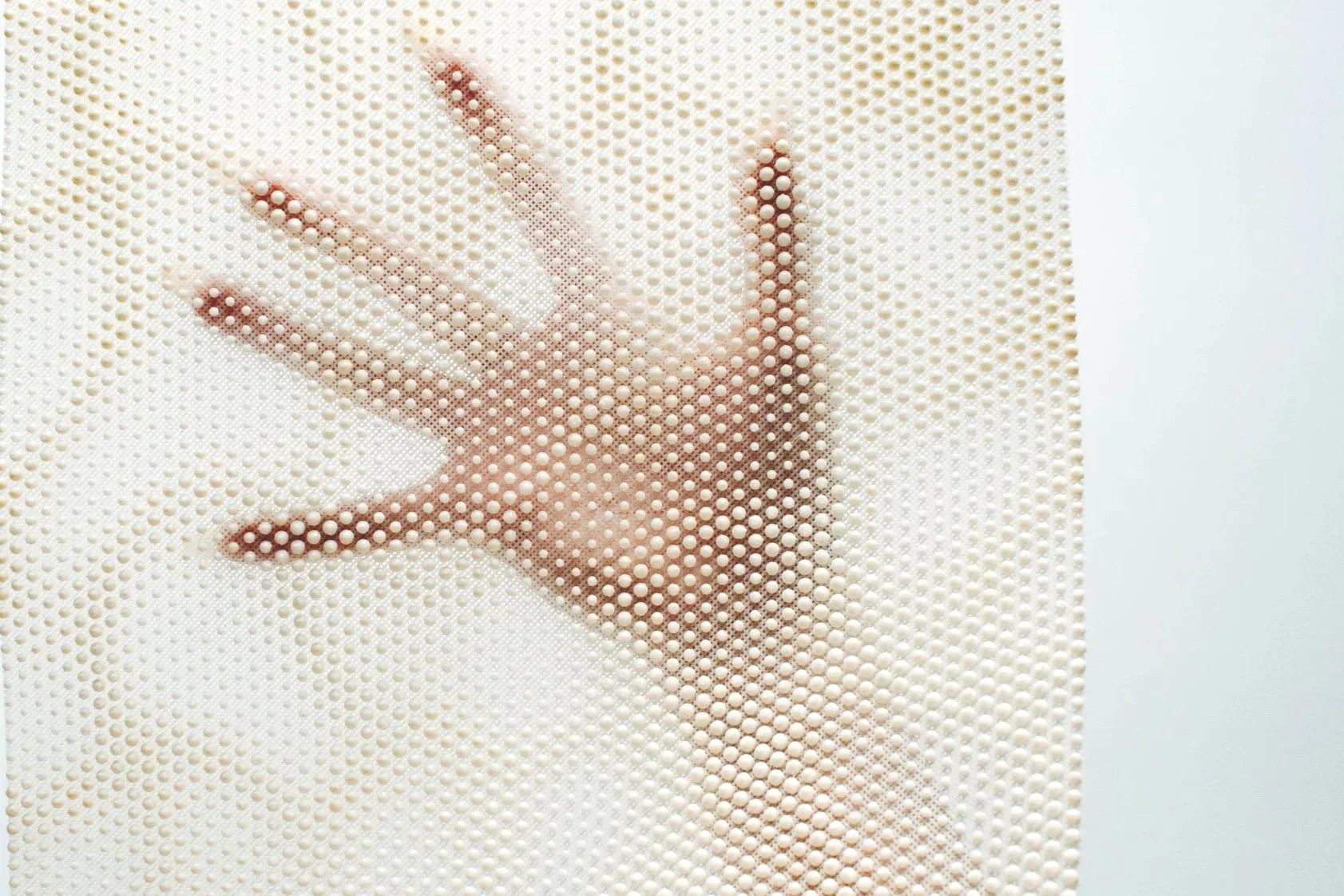
Our 3D-printed textile studies caught people by surprise. Their fine patterns came from STL models generated with 3D creation platform PrintVerse AI.
Visiting fashion designers wanted to know more. We brought the studies to explore another use for the filament; those questions are helping us think beyond vessels.
We were especially glad to meet educators interested in using the filament with students and adding it to material libraries. Researchers and designers also talked with us about exploring collaborations. These are conversations we are continuing well beyond the fair.
We came home with new colour ideas, questions about where this material could be used, and a growing network of connections. We will keep developing the objects people spent time with at the fair, including selected vases and plant containers for the online shop. For anyone ready to try the material now, TraceMatter™ 30 g trial filaments are available on our website.
Thank you to everyone who picked something up, looked a little closer and told us what they imagined making.
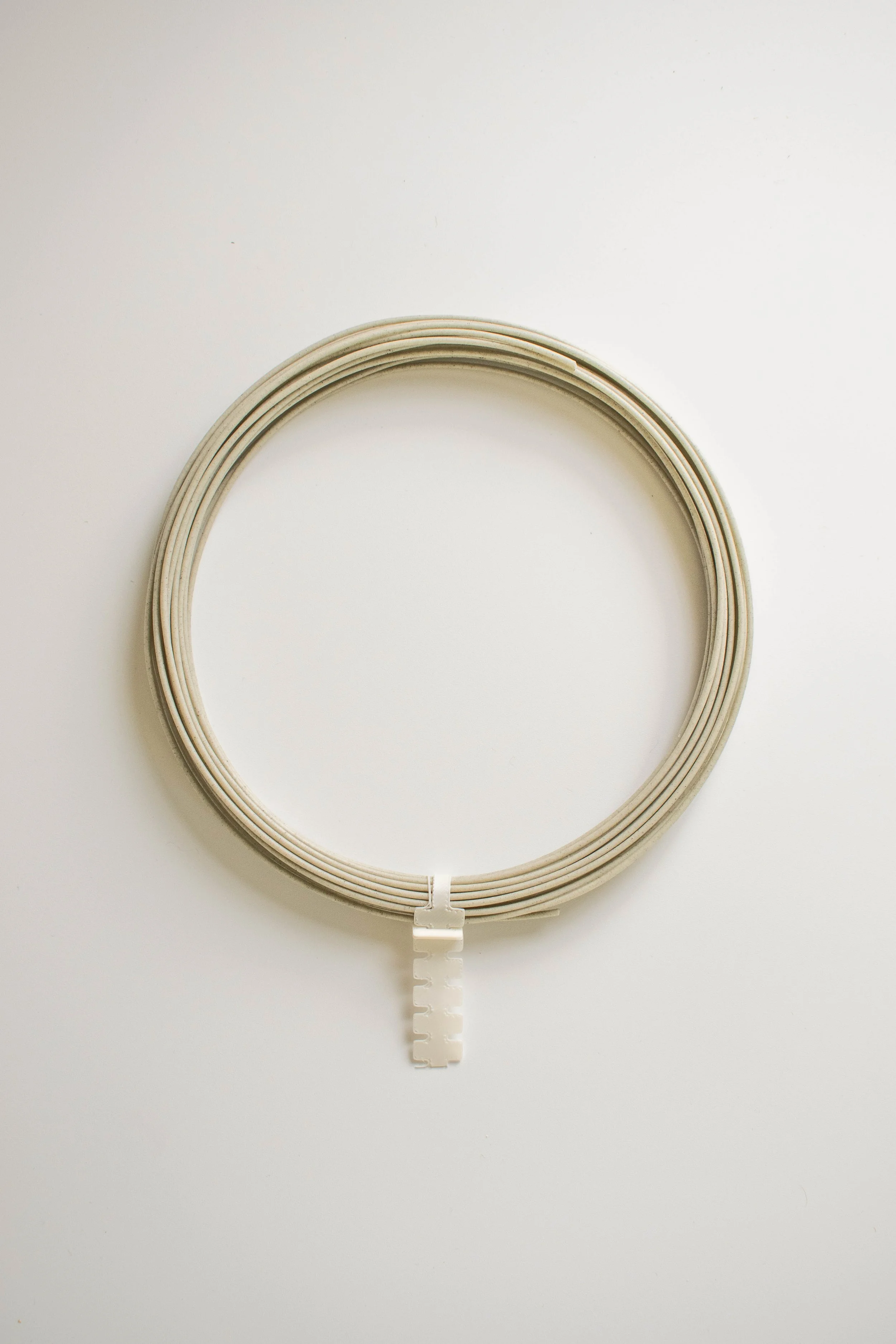
TraceMatter™ is SoftTrace Studio's PHA-based biocomposite filament for FDM 3D printing. Our first Biomass Colours are Shell White, made with finely processed shell powder, and Seaweed Green, made with seaweed residue.
These trial formats let you test colour, surface and printer response before ordering a full spool. Each 30g sample is supplied as a loose coil without a spool. Choose one colour, or try both with 30g of Shell White and 30g of Seaweed Green.
New to PHA? Visit our official printing guide for starting settings, a downloadable starter file with prepared print settings, and direct access to printing support. Check the file's printer and slicer compatibility before printing, and calibrate for your own machine and conditions.
